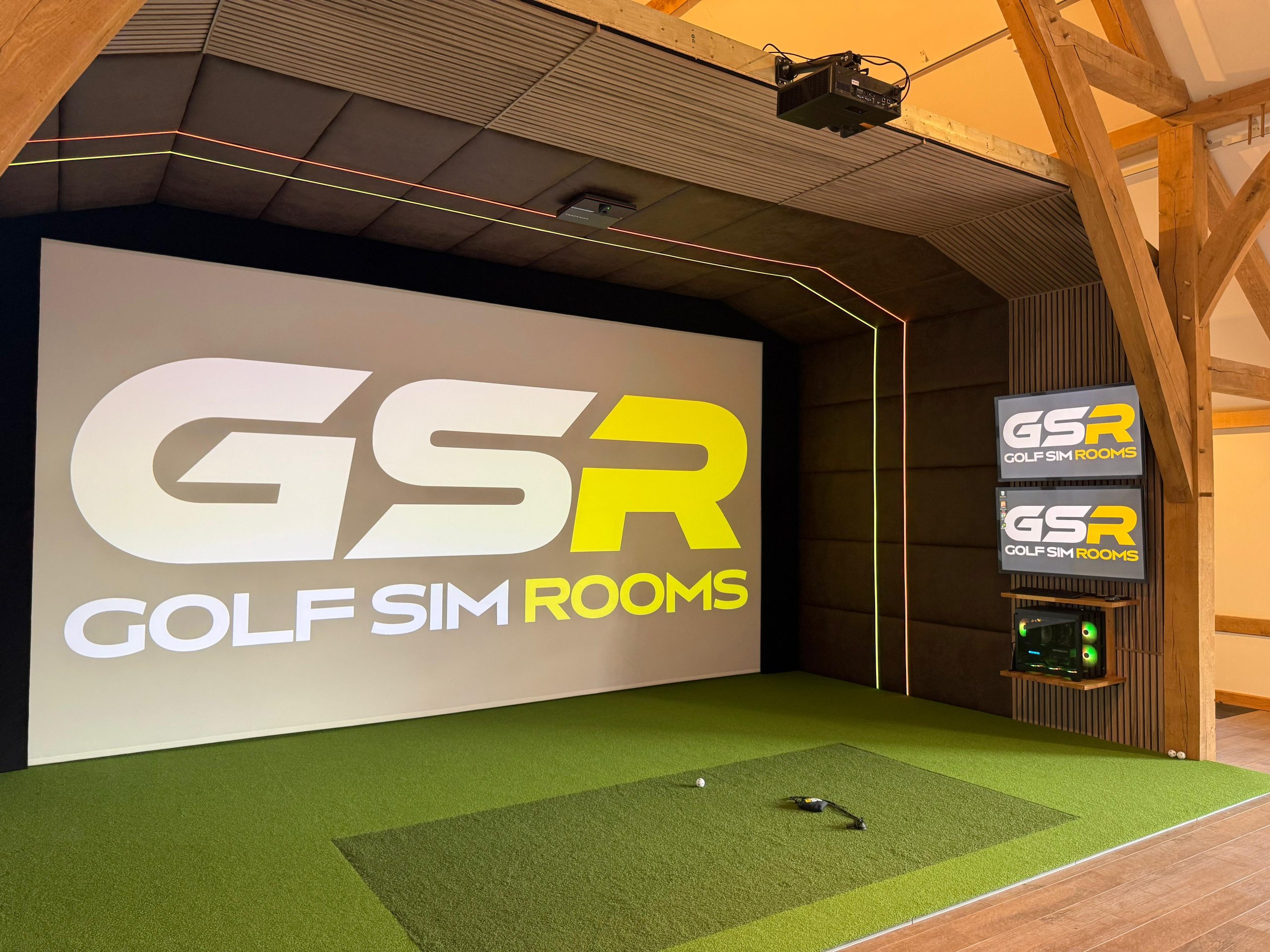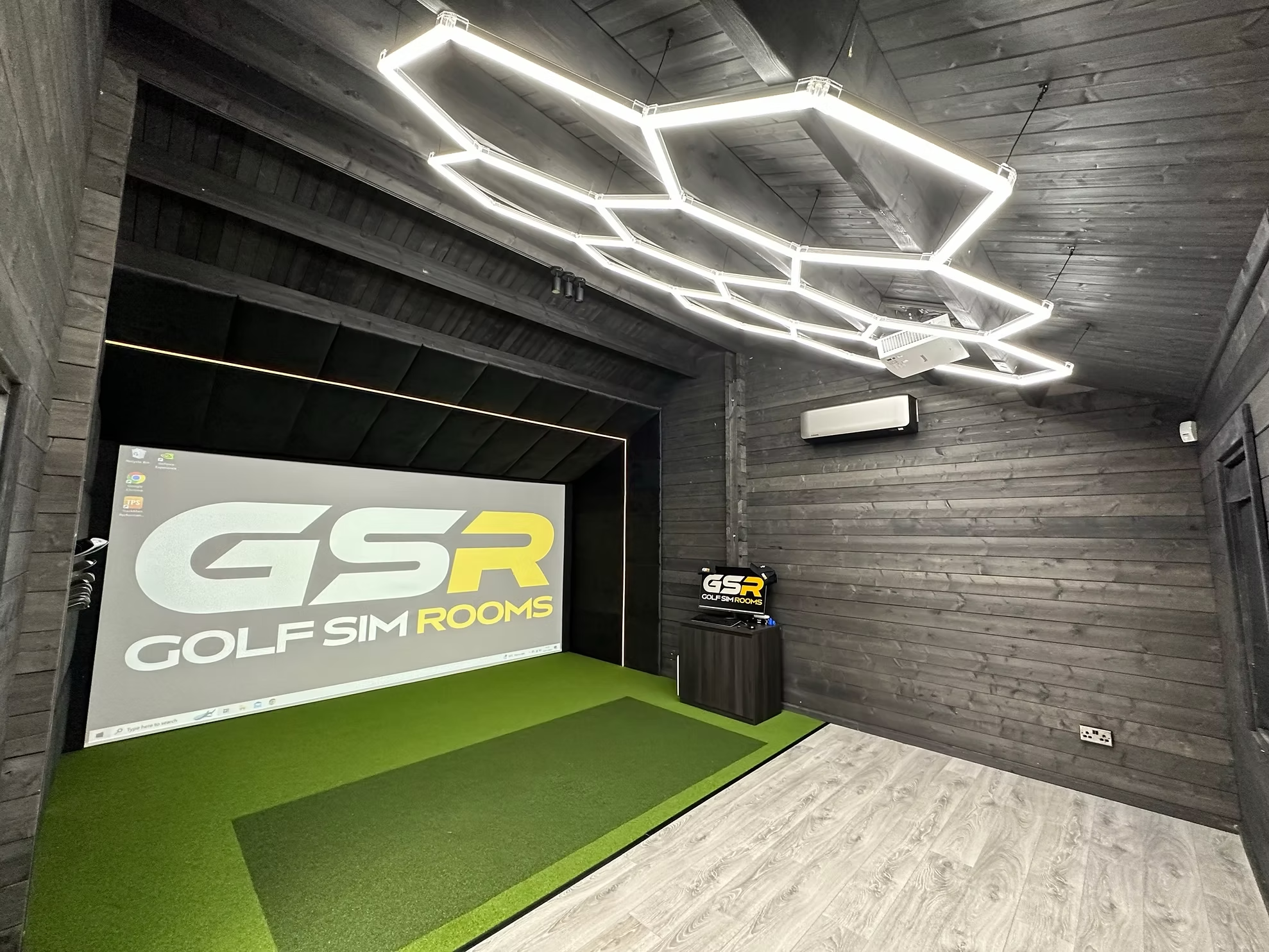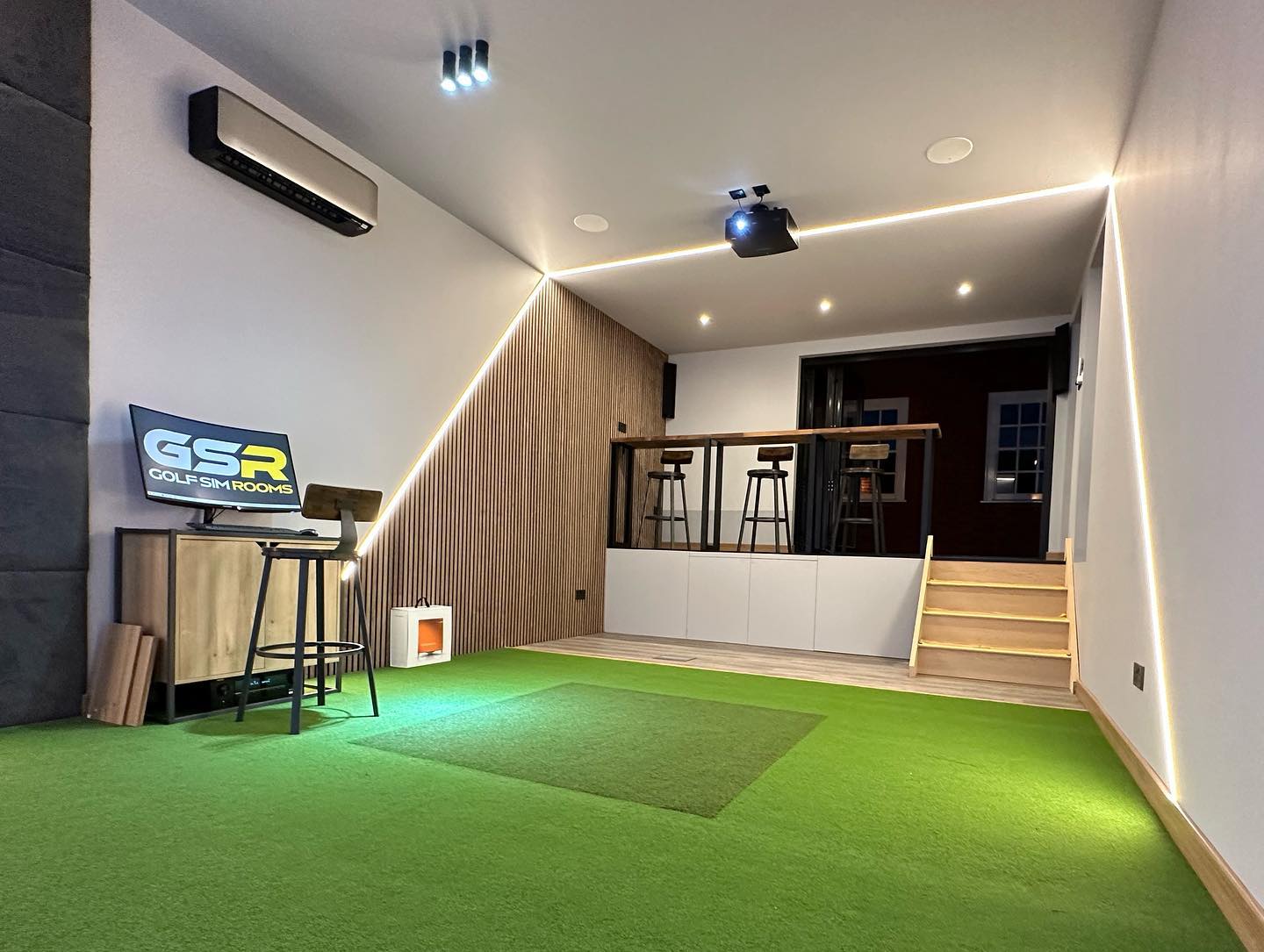


For most golfers who play regularly and practise seriously, yes. A home simulator pays back in practice hours you would otherwise lose to weather, darkness, and travel time. For golfers who play a handful of rounds a year and rarely practise, it usually does not justify the spend.
That is the honest split. What makes the difference is not budget or equipment. It is whether the room is planned properly and whether you already have a habit of practising. We’ve found that the strongest predictor of a room getting daily use is not what was spent on it, but how little friction stands between the golfer and hitting a ball.
Who It Is Genuinely Worth It For
A few patterns come up repeatedly across the clients we work with.
Golfers who already practise are the clearest case. If you currently drive to a range once or twice a week, a home simulator replaces that entirely and adds sessions you would never have made. The travel time disappears. The twenty minute session becomes viable.
Parents of junior golfers are the second group. A child who wants to hit balls at 7pm on a wet Tuesday in January has nowhere to go without a home setup. One of our clients described a room that is now perfect for his teenage golfer and already inspiring his five year old daughter. That is a use case that runs for years.
Golfers with unpredictable schedules also get disproportionate value. If your working week makes booking tee times difficult, a room that is available at 6am or 10pm changes what is possible.
Who It Is Probably Not Worth It For
Being straight about this matters more than the sales pitch.
If you play four or five social rounds a year and have never been to a driving range voluntarily, a simulator will not change that. The technology does not create motivation. It removes obstacles for people who already have it.
If your only available space has a ceiling under 2.7 metres, think carefully. A room where you shorten your swing to avoid the ceiling is a room you will use less each month. We have turned down projects on this basis, because a compromised room is worse value than no room.
If you are buying primarily as a party feature, be honest about that. It can be excellent for entertaining. But entertainment use is occasional by nature, and the cost per hour looks very different to a room used four times a week.
What Actually Predicts Whether a Room Gets Used
This is the part most buying guides miss, and it is where our view differs from the usual advice.
Ceiling height matters more than equipment. A mid-range launch monitor in a room with 3 metres of clear height will get used more than a premium system in a room with 2.5 metres. The swing has to feel free. Everything else is secondary.
Heat matters more than people expect. A room that is cold in November sits idle until March. That is five months of the year lost. We’ve found that infrared panel heaters work better than convection heaters in simulator rooms, because they warm the space quickly without pushing air across the hitting zone where it can affect launch monitor readings.
Convenience beats specification. Rooms attached to the house or a few steps across a garden get used more than rooms requiring a coat and a walk. It sounds trivial. It is not.
In our experience, a well-planned garage conversion works better than an over-specified garden room placed awkwardly on a plot, because the shorter the distance between sofa and simulator, the more sessions actually happen. Specification is easy to buy. Convenience has to be designed in.
The Cost Question, Honestly
From the installations we have completed this year, a garage fit out with a solid mid-range setup typically sits between £18,000 and £55,000. A purpose-built log cabin with full fit out starts from around £30,000. A garden room installation at a higher specification level tends to fall between £50,000 and £150,000. These are all approximate prices based on our experience, and a tailored quote would be provided to you based on your requirements and specifications.
The useful way to think about it is cost per session over the life of the room, not the headline figure. A serious amateur spending on club membership, green fees, range fees, and travel is already committing several thousand pounds annually. A simulator room absorbs a meaningful share of that and has a long usable life.
There is also a resale consideration. A properly built garden room or log cabin adds usable square footage to the property. A poorly converted garage that reads as overflow storage does not. Build quality affects both how much you enjoy the room and what it is worth when you sell.
For a full breakdown of what should be included in any quote, our guide on what comes with a golf simulator installation is worth reading before you commit.
Does It Actually Improve Your Game?
Yes, but only with intention behind it.
The advantage a simulator has over a driving range is immediate, accurate data on every shot. Ball speed, launch angle, spin rate, carry, club path, face angle. You can isolate one variable, work on it, and see within ten shots whether the change is landing.
That advantage disappears if you use the room only to play course rounds. Playing Pebble Beach for the fourth time is enjoyable. It is not practice.
From working with clients after handover, we see a clear divide. Those who go into the room with a specific thing they are working on tend to see measurable movement in their handicap. Those who treat it purely as entertainment enjoy it just as much but see far less change in their scores. [confirm: typical handicap improvement figure, if you have one]
Our guide on how indoor golf simulators improve your game covers the practice side in more depth.
What People Tell Us Afterwards
The feedback that comes back most consistently is not about the technology. It is about frequency.
Clients describe hitting balls before work, or for twenty minutes after the children are in bed, or on a Sunday evening when nothing else is open. Those sessions did not exist before. They are not long, but they add up across a year in a way that occasional range visits never do.
The second theme is family use. Rooms bought for one serious golfer regularly end up used by partners, children, and visiting friends. Several clients have told us the room became a shared space rather than a private one, which changes the value calculation considerably.
The Honest Risks
Three things go wrong often enough to mention.
Buying equipment before assessing the room. People purchase a launch monitor based on a review, then discover the throw distance or tracking requirements do not suit their space. Assess the room first, then match the technology to it.
Underestimating preparation work. A garage that needs damp treatment, levelling, insulation, and rewiring costs more to make ready than people budget for. A cheap-looking quote that excludes this work is not cheap.
Skimping on the mat. The mat takes every strike. A hard, thin one gives jarring feedback through the shaft and can encourage swing compensations. It is the last place to save money.
Our guide on what to ask before you book a golf simulator installation covers the questions that surface these issues before a deposit is paid.
Conclusion
A home golf simulator is worth it if you already practise, if your space allows a genuinely free swing, and if the room is warm and convenient enough that using it takes no effort. Those three conditions matter more than the budget.
If any one of them is missing, the honest answer is that the money is better spent elsewhere until it can be addressed.
Golf Simulator Rooms builds log cabins, garage fit outs, and bespoke garden rooms across the UK. If you want a straight assessment of whether your space will deliver what you are hoping for, get in touch and we will start with a proper look at the room.