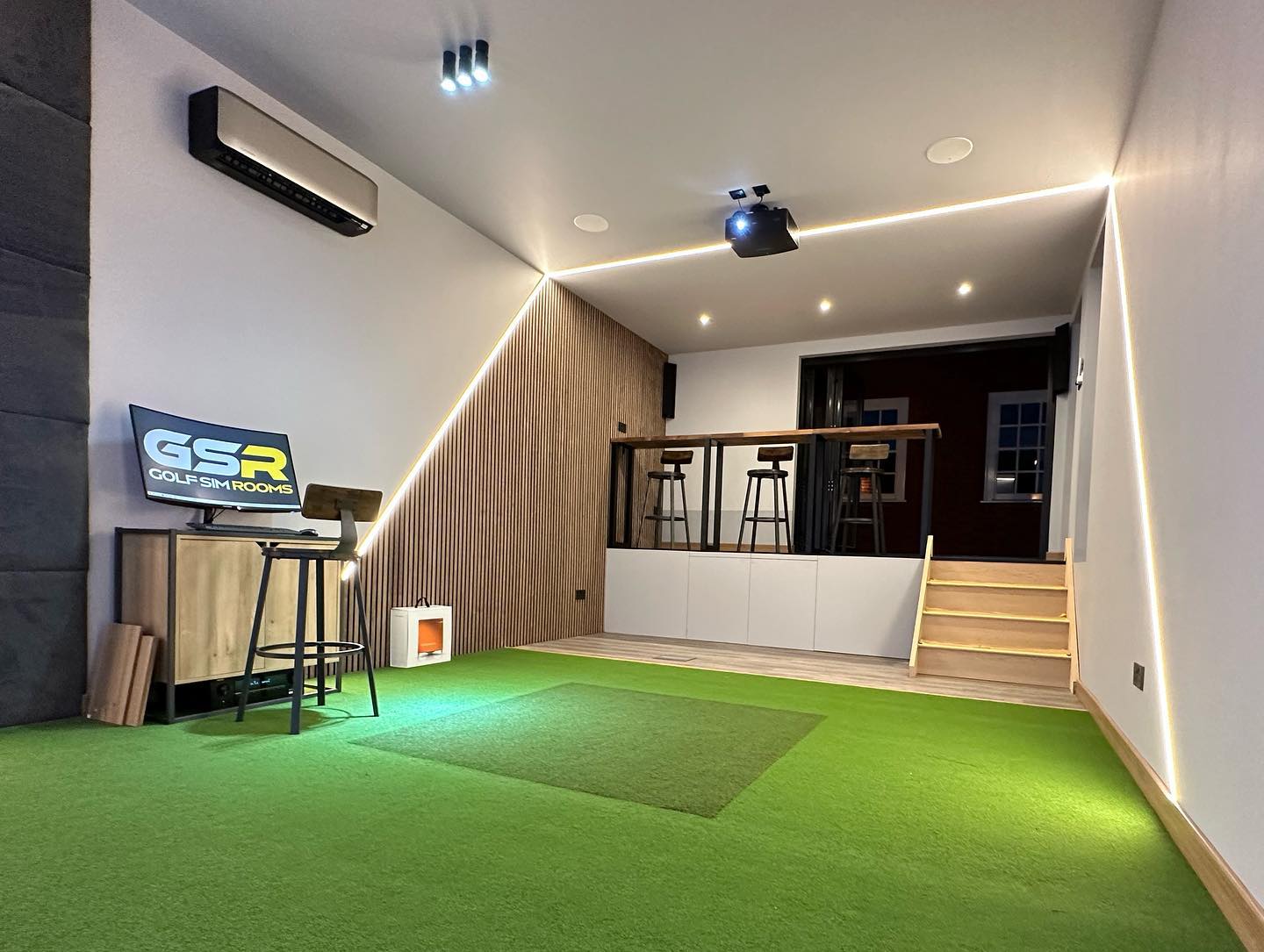


The questions people ask before buying a golf simulator have changed. A few years ago most conversations started with “what even is a golf simulator?” Now people arrive already knowing the basics. They want specific answers about their space, their budget, and whether a particular setup will actually work for them.
These are the golf simulator questions we have been asked most often so far in 2026. We have answered each one directly, based on what we see day to day working with homeowners and businesses across the UK.
How Much Does a Golf Simulator Installation Cost?
This is still the first question most people ask, and the honest answer is that it depends on three things: the room type, the equipment specification, and how much preparatory work the space needs before anything goes in.
From the installations we have completed this year, a garage fit out with a solid mid-range setup typically sits between £18k and £55k. “ purpose-built log cabin with full fit out starts from around £30,000. A garden room installation at a higher specification level tends to fall between £50,000 and £150,000. These are all approximate prices from our experiences, and a tailored quote would be provided to you based on your desires and specifications.
Those are real figures from real projects, not entry-level estimates that exclude the work that makes the room actually function. If a quote looks significantly cheaper than those ranges, it is worth asking exactly what is and is not included before you commit.
For a fuller breakdown of what drives the cost, our guide on what comes with a golf simulator installation covers the components that most people do not think about until they are missing from a quote.
What Is the Minimum Space I Need?
The space question has two parts. Floor area matters, but ceiling height is the measurement that determines whether a full swing is actually comfortable.
The minimum ceiling height we recommend is 2.7 metres at the hitting position. That is clear height with nothing in the way no beams, no light fittings, no ducting. For room depth you want at least 4.5 metres from screen to back wall. Width should be at least 3.5 metres for a right-handed golfer swinging freely.
We’ve turned down projects this year where the ceiling height would have produced a genuinely frustrating experience. A room that limits your swing is not a room you will enjoy, regardless of how good the equipment is.
Our full guide on how much space golf simulators need walks through all three measurements in detail, including a simple self-assessment you can do before getting in touch.
Is a Log Cabin or a Garage Better for a Golf Simulator?
This is one of the most common questions we get from homeowners who have the option of both. The answer depends on what your garage currently offers in terms of dimensions, and what you want the space to feel like long term.
In our experience, a purpose-built log cabin works better than a garage conversion for clients who want a dedicated room that feels right from day one, because the dimensions are designed around the simulator rather than worked around an existing structure. A garage conversion works better for clients who want to keep costs lower and already have a double garage with reasonable ceiling height.
We’ve completed both types of installation across the whole of the United Kingdom. Our projects page starts will all of the locations and pictures so you can have a gander. The log cabin projects consistently produce rooms that get used more frequently, which we put down to the space feeling intentional rather than improvised. We have also done some detailed case studies where we asked genuine customers how their expeirnece went. These are here.
For a direct comparison of both options, take a look at our log cabins vs garage golf simulators page.
Which Launch Monitor Should I Buy?
The launch monitor market has moved quickly and the options available in 2026 are significantly better than they were even two years ago. The right choice depends on your room, your budget, and how you intend to use the data.
For most residential installations we complete, camera-based systems deliver the best combination of accuracy and value. SkyTrak+ works well for homeowners who want reliable data at a sensible price point. Uneekon QED sits a level above that and suits clients who want more comprehensive ball and club data. For clients who want professional-grade accuracy and have the budget for it, Foresight Sports GCQuad remains one of the strongest systems available for home use.
In our experience, camera-based systems work better than radar-based systems in smaller rooms because they require less lateral space for accurate tracking. In a compact garage setup, that makes a practical difference.
One thing we’ve found consistently this year is that clients who choose a launch monitor based on marketing rather than room compatibility often come back wanting to change it. Get the room assessed first, then match the equipment to the space.
Do I Need Planning Permission?
This question comes up on almost every enquiry we receive for a log cabin or garden room build.
For most garden structures used as leisure spaces, permitted development rules apply and full planning permission is not required. The key criteria are that the structure sits below 2.5 metres in height if it is within 2 metres of a boundary, and that it does not cover more than half the garden area.
That said, local authority rules vary and there are exceptions, particularly on listed properties, in conservation areas, and on certain new build estates with restrictive covenants. We always recommend confirming with your local authority before committing to a build. We have worked on projects this year where permitted development applied without any issue, and a small number where an additional check was needed before work could start.
For garage conversions, planning permission is generally not required unless you are making significant external changes to the structure.
What Is the Best Type of Room for a Golf Simulator?
There is no single answer that fits every home. The best room is the one that suits your property, your budget, and how seriously you want to take the setup.
From working with clients across the UK, the most satisfied long-term users tend to be those who chose a purpose-built space rather than trying to make an existing room work. That is not always possible or necessary, but the pattern is consistent enough to be worth mentioning.
Our full guide on what is the best type of golf simulator room covers log cabins, garage fit outs, garden rooms, and spare room conversions with a straight assessment of where each option works and where it does not.
How Long Does an Installation Take?
Most residential installations we complete run over one to two days. A straightforward garage fit out where the space is already prepared can be completed in a single day. A more involved setup with custom screen framing, ceiling-mounted projector, and full cable management typically takes two days.
Log cabin and garden room builds are a different timeline. The structure itself takes several days to complete before the fit out can begin. From initial groundwork to a finished, playable room, most log cabin projects run between two and four weeks depending on the complexity of the build and the weather.
We’ve found that clients who try to rush the timeline on a log cabin build often end up with a room that needs remedial work shortly after. Doing the groundwork and insulation properly at the start is what determines how the room performs through a UK winter.
Will It Actually Improve My Golf?
This is the question that matters most and it deserves a straight answer.
Yes, but only if you use it properly. A home simulator gives you year-round access, immediate shot data, and the ability to work on specific parts of your game without driving to a range. Those are genuine advantages that compound over a season.
We’ve seen clients drop three to five shots off their handicap within twelve months of installing a home simulator, when they use it consistently and with some intention about what they are working on. We’ve also seen clients whose handicap barely moves because they use the room to play course rounds rather than practise.
The room does not improve your golf. The work you do in it does. The simulator makes doing that work significantly more convenient and more data-driven than any alternative.
For more on the practical value of a home setup, our top 10 benefits of a golf simulator room covers what actually changes once the room is running.
What Should I Ask Before Booking an Installer?
The questions you ask before booking are what determine whether the installation delivers what you are expecting. From what we see in the industry, the most common regrets come from clients who did not ask enough upfront.
The key questions are: has the installer assessed your actual space in person or with accurate measurements, what is specifically included in the installation quote, what does aftercare look like, and can they show you examples of similar completed projects.
A confident installer with a solid track record will have clear answers to all of those. Vague responses on any of them are worth paying attention to before you hand over a deposit.
Our guide on what to ask before you book a golf simulator installation covers every question worth raising, including several that most people only think to ask after the fact.
Conclusion
The questions people ask about golf simulators in 2026 are sharper and more specific than they were a few years ago. People have done more research, they have clearer expectations, and they want honest answers rather than sales pitches.
Every question on this page has a real answer based on what we see working and what we see going wrong across the installations we complete. If your question is not covered here, GSR handles installations across the UK including log cabin builds, garage fit outs, and garden room setups. Get in touch and we will give you a straight answer.
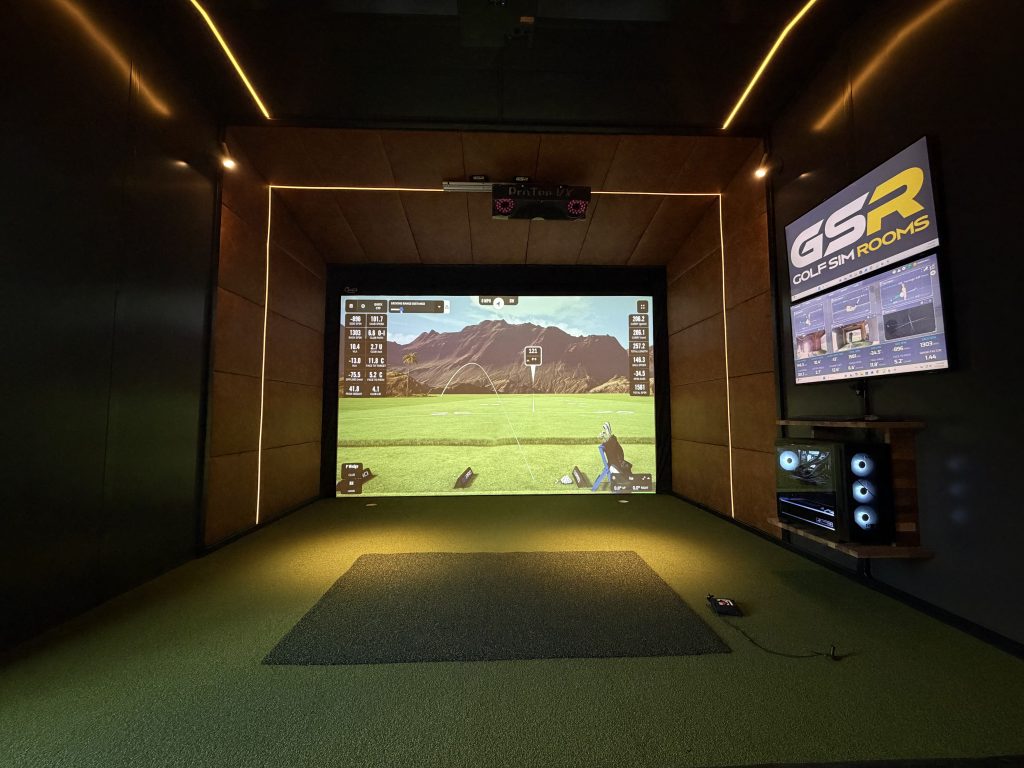
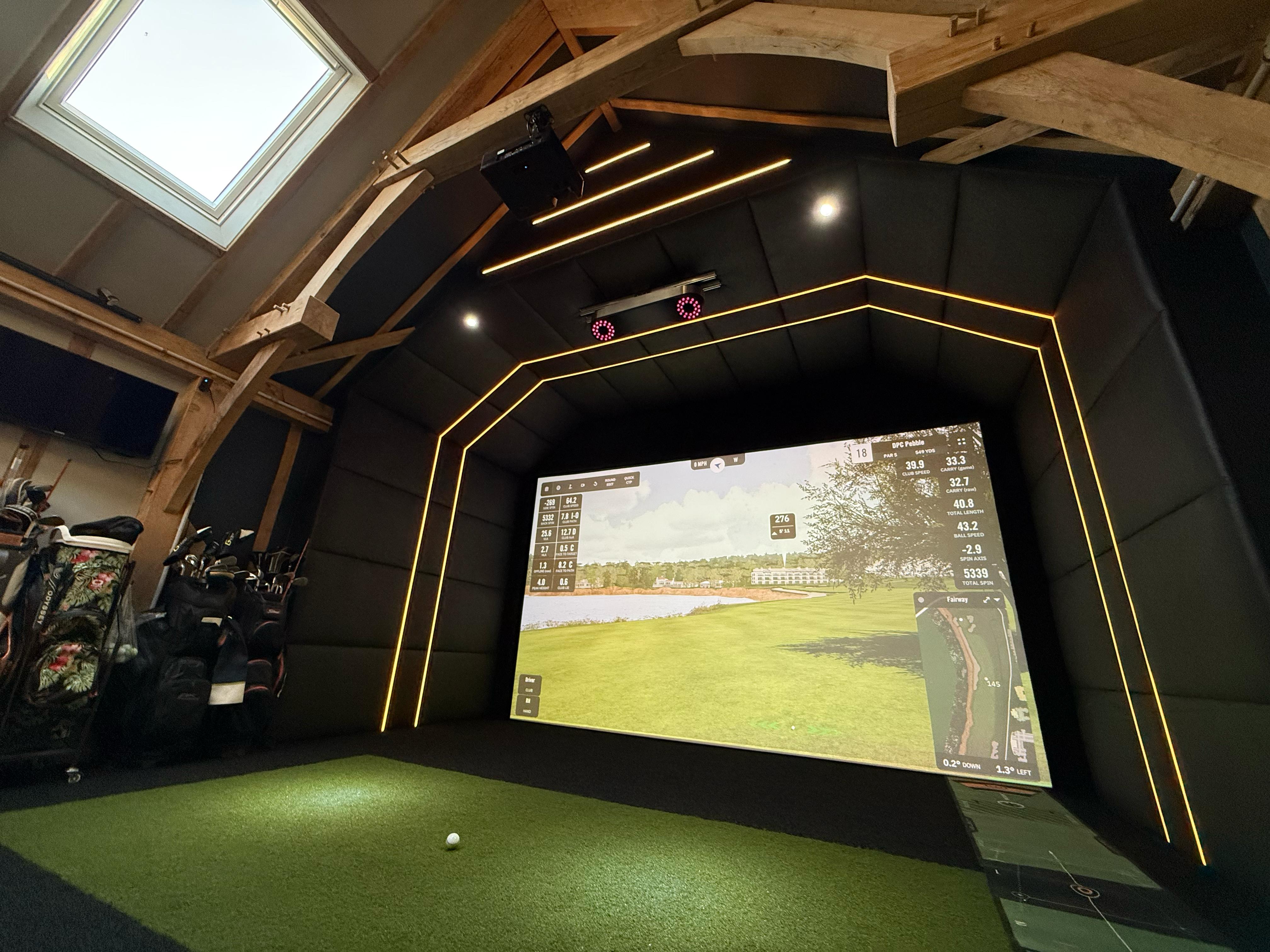
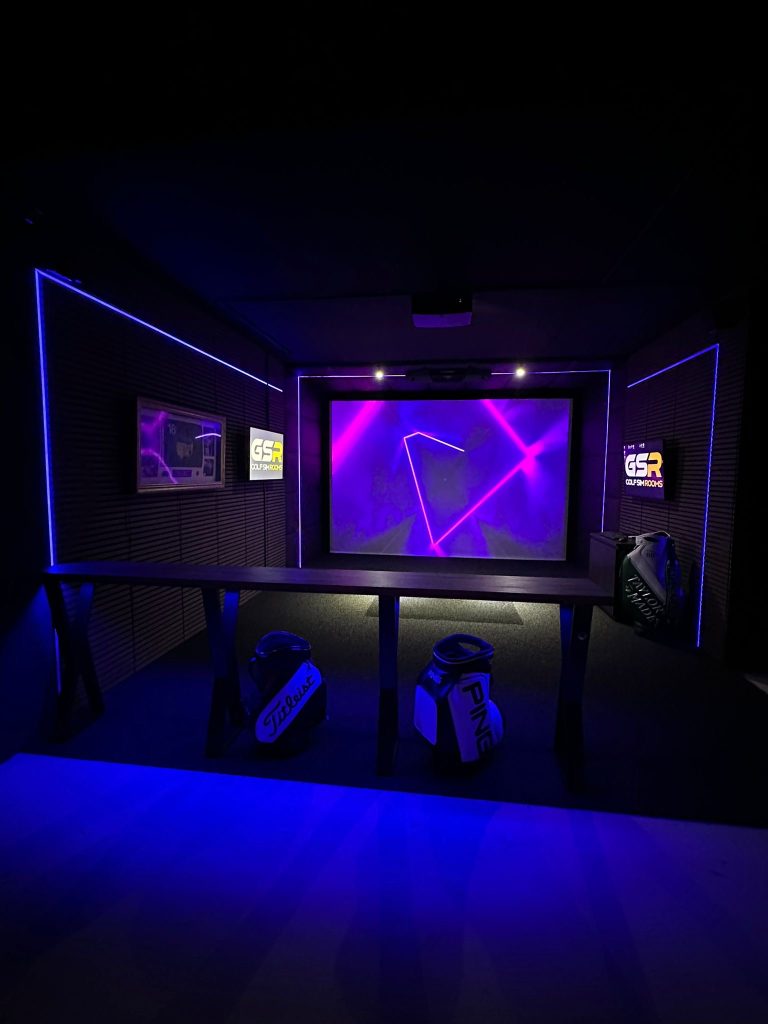
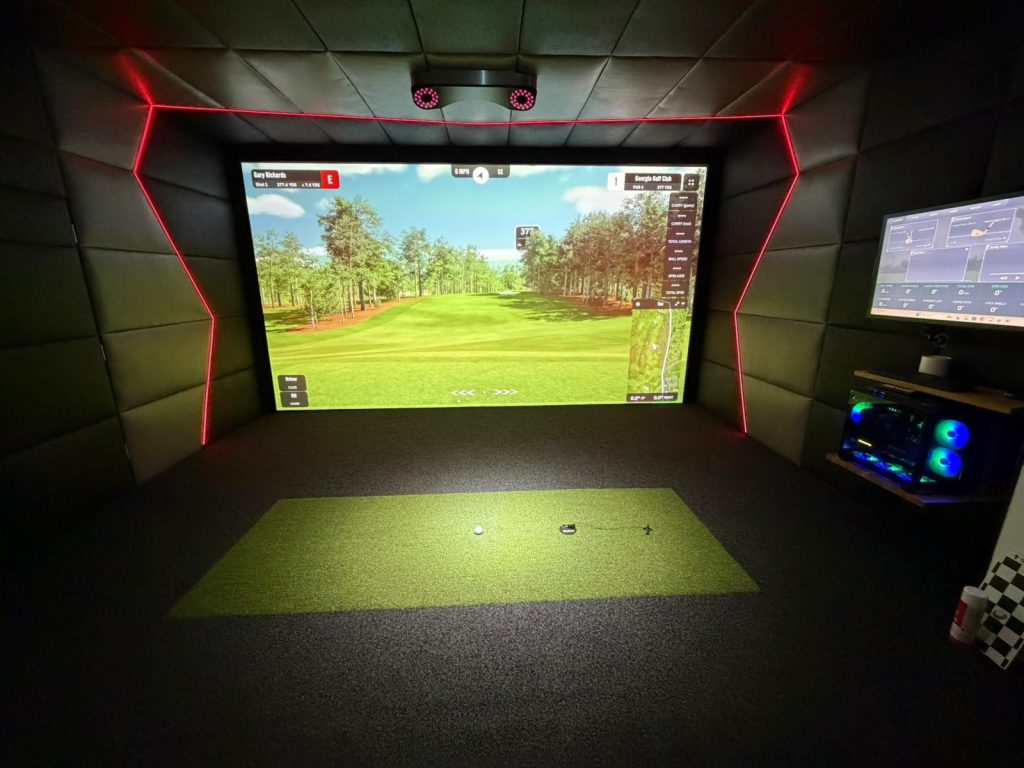
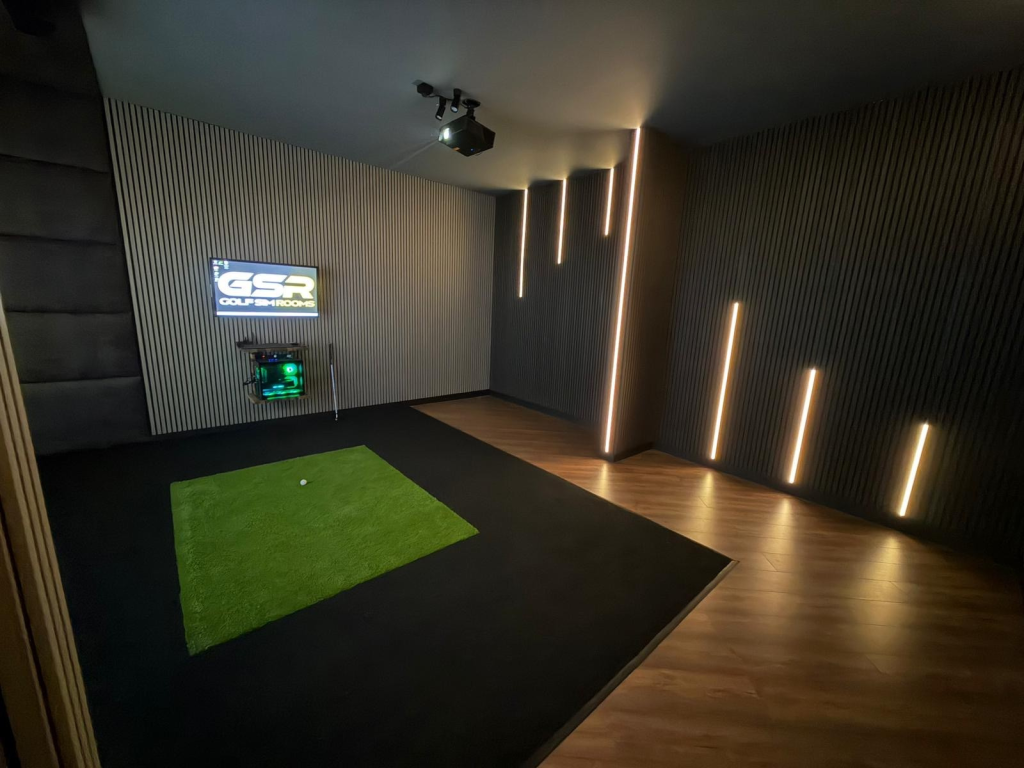
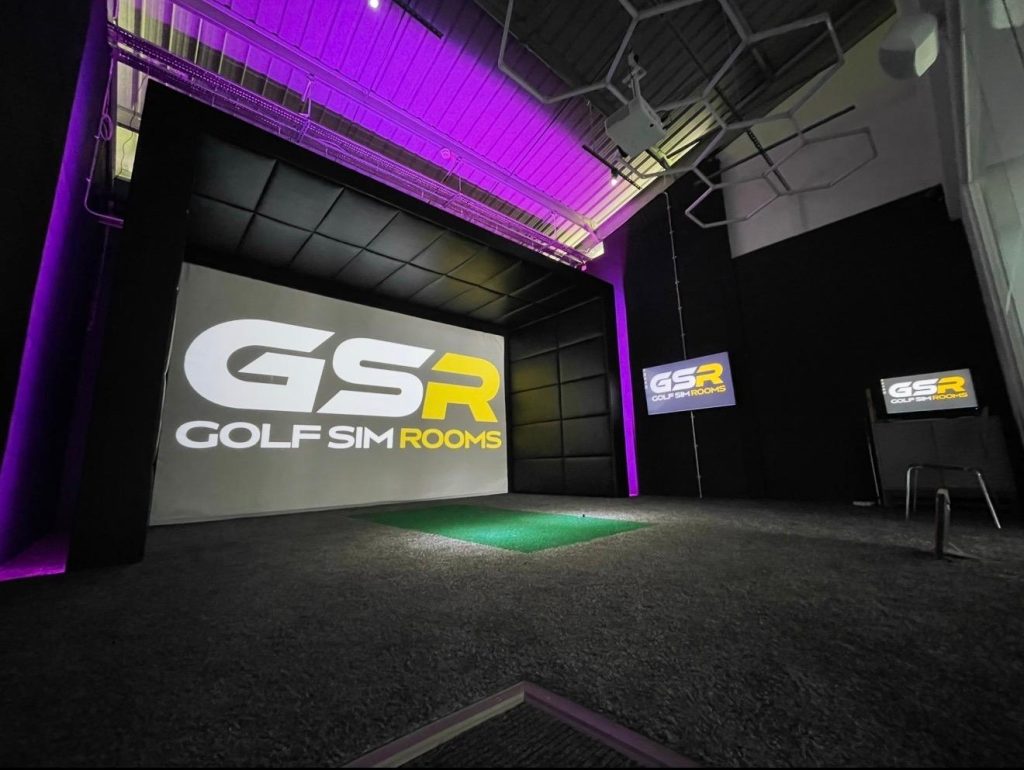
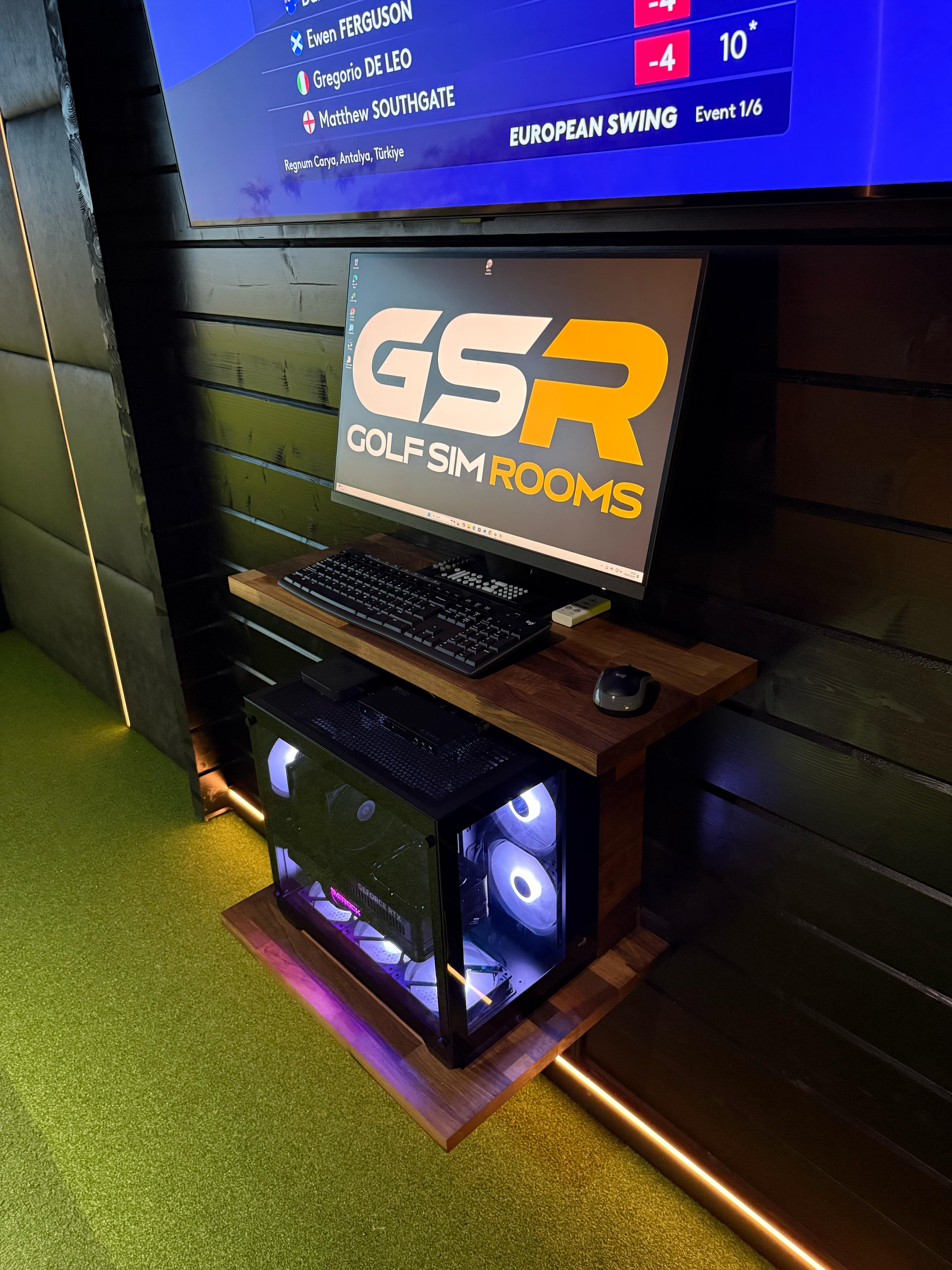
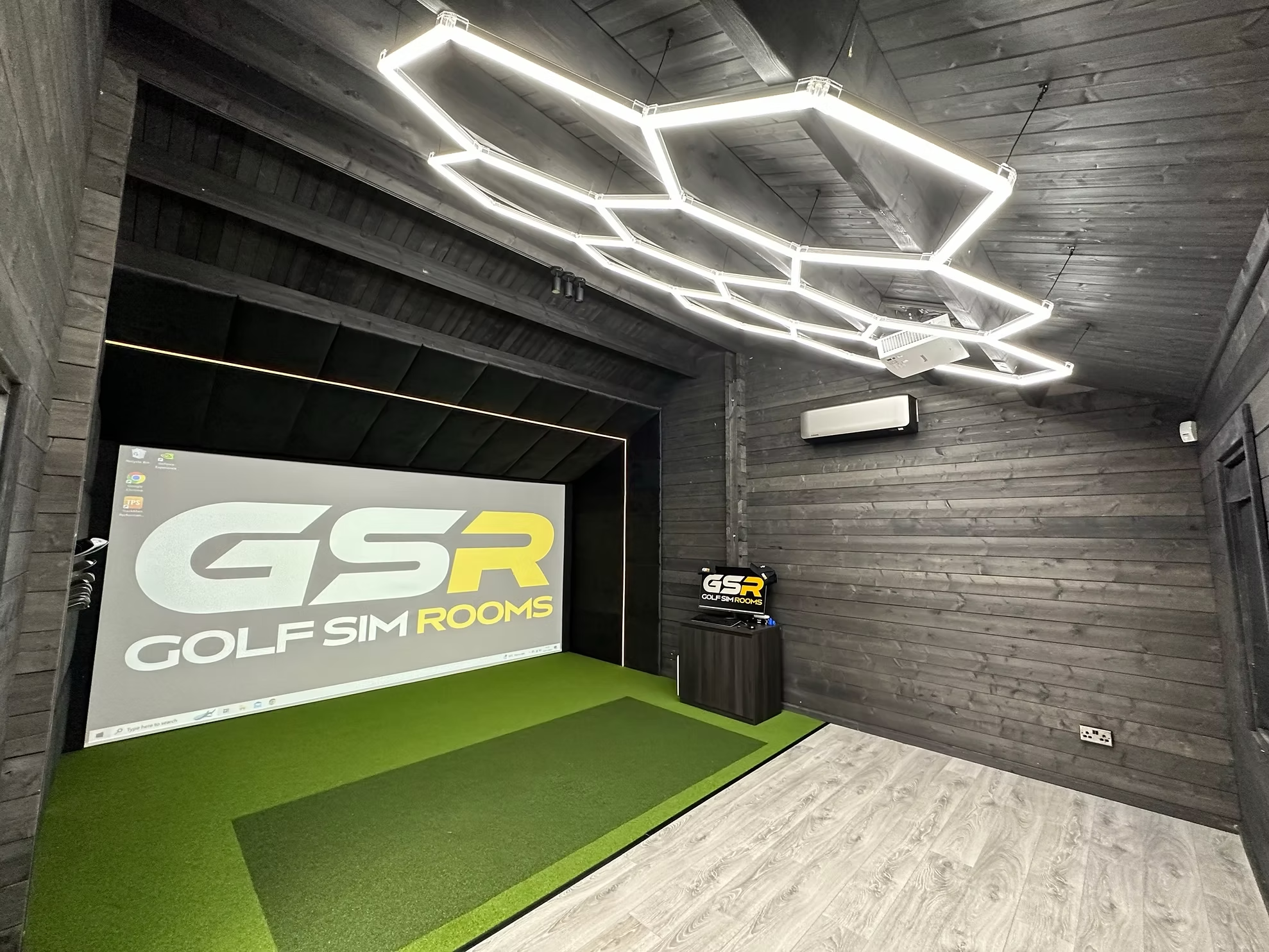
A nice gallery of some of our favourite builds we have done for customers