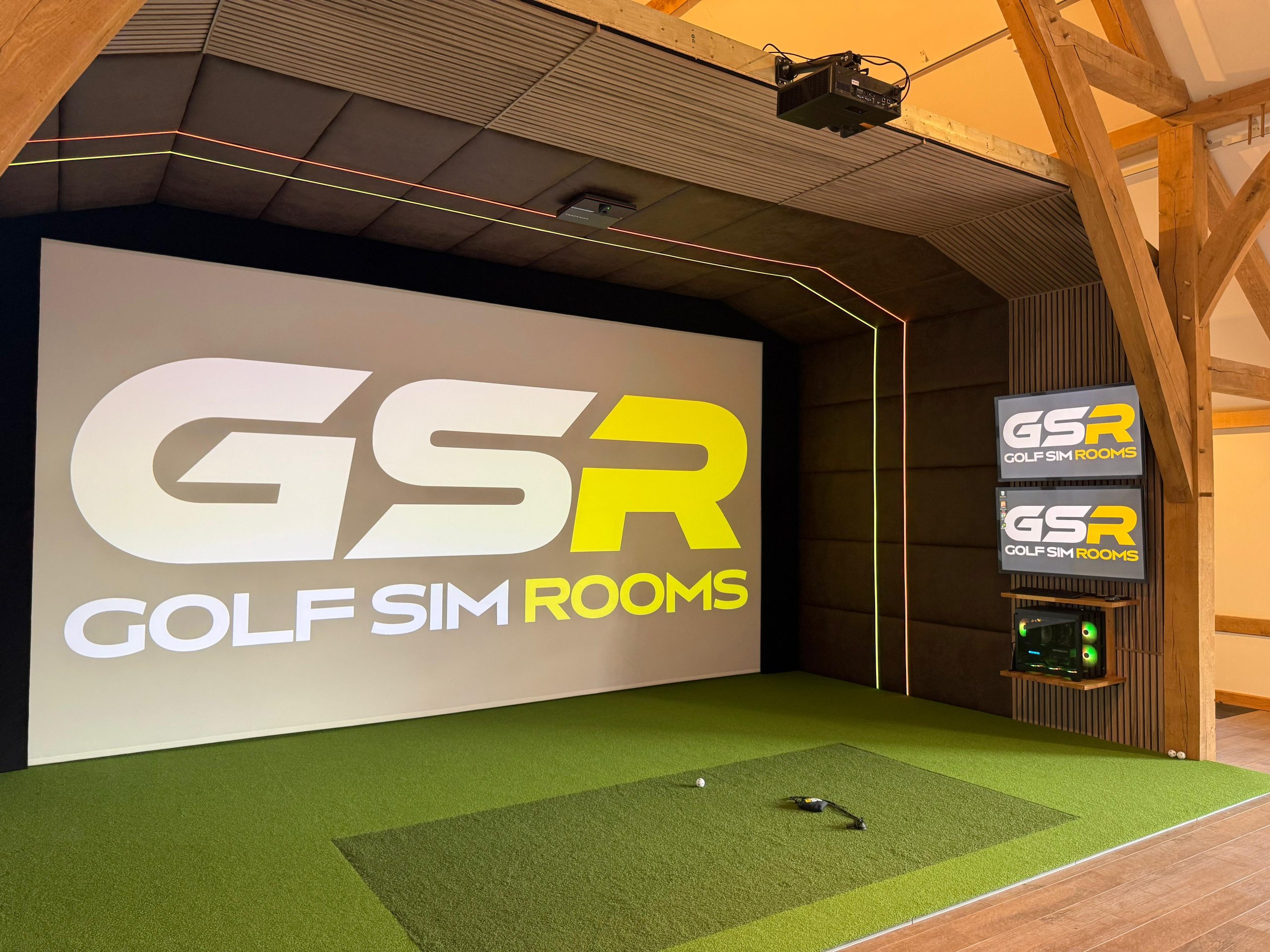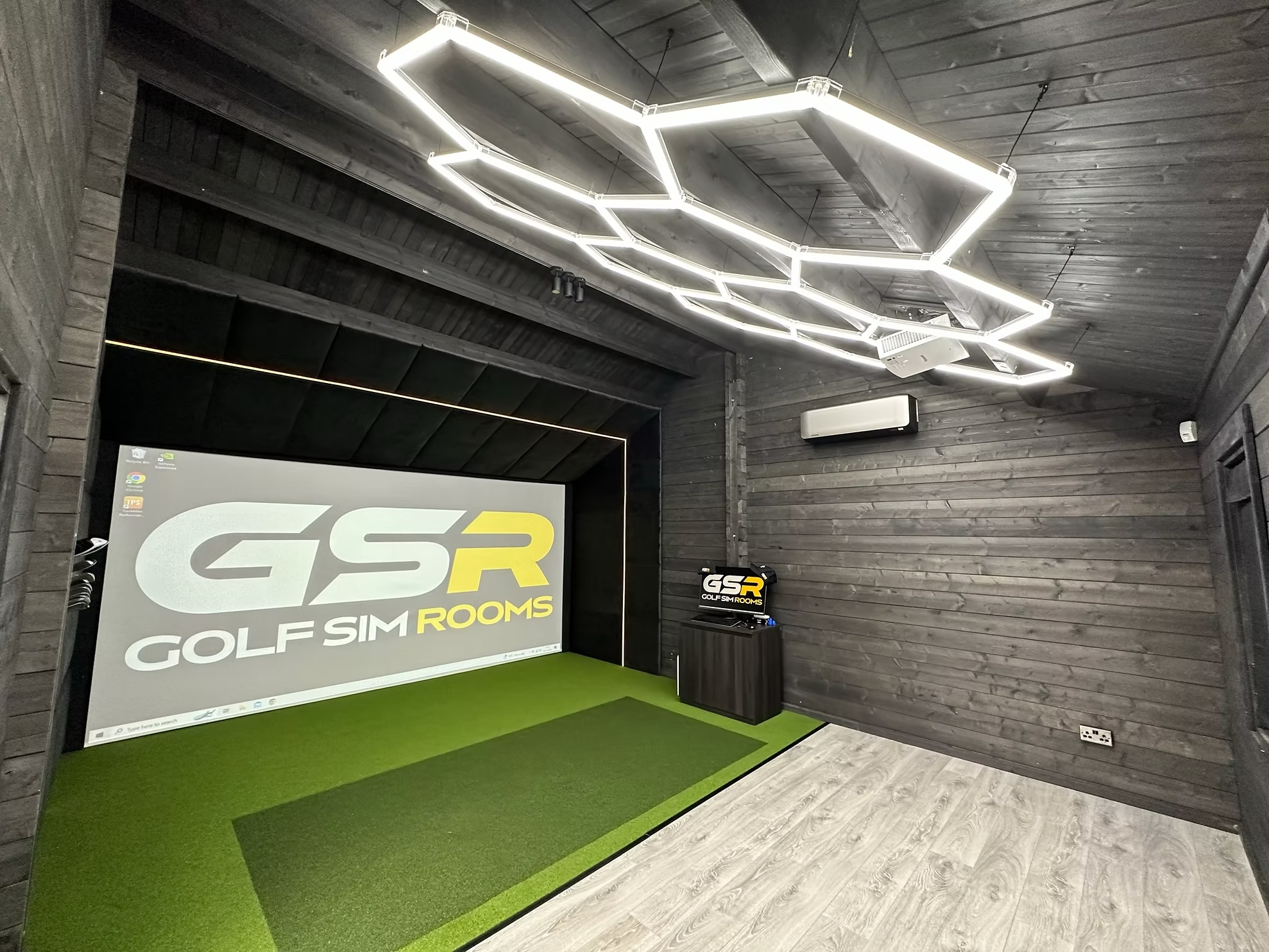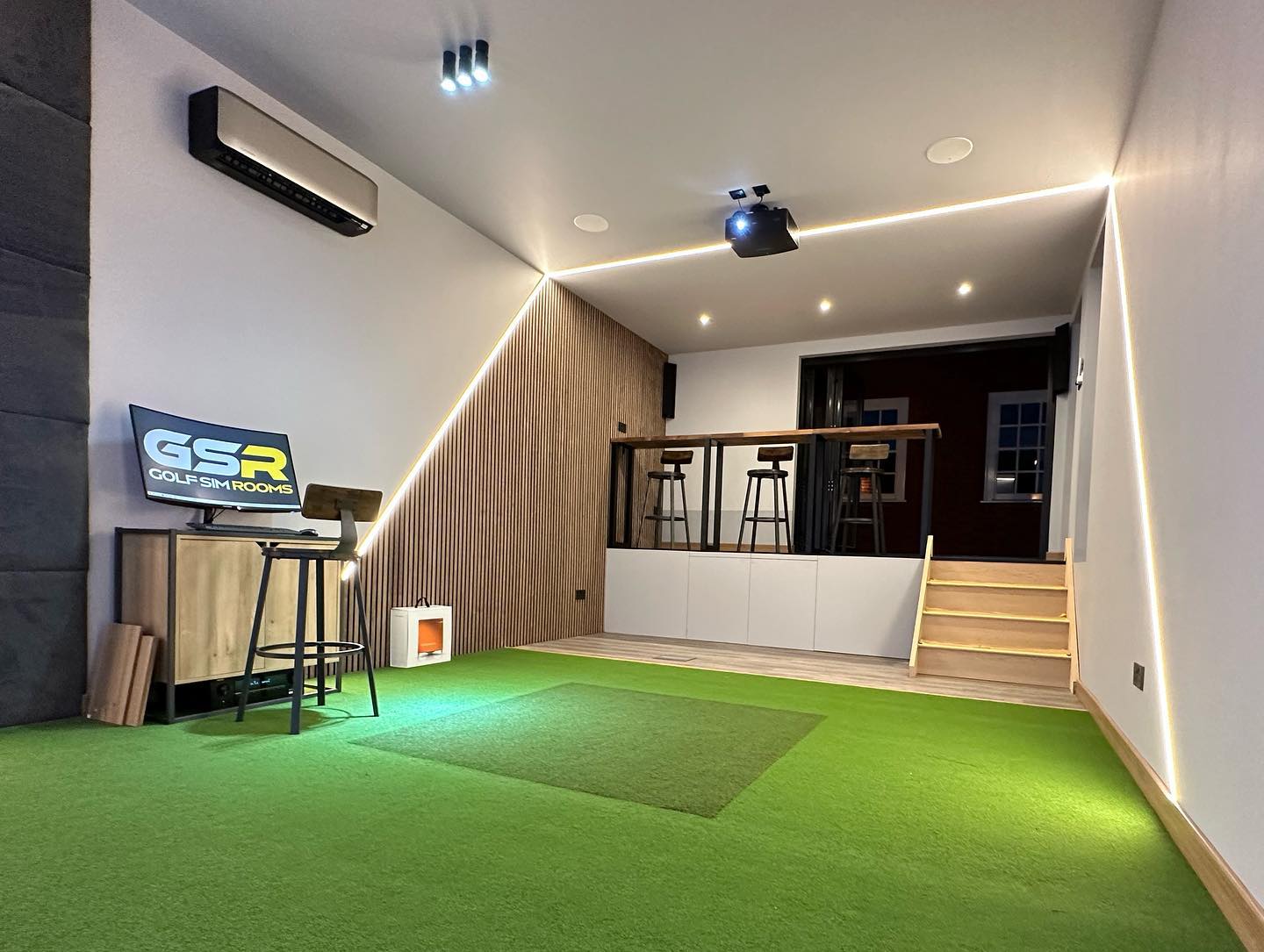


If you have decided you want a golf simulator at home, the next question is usually where it is going to live. For most UK homeowners, the choice comes down to two options: converting the garage into a simulator room or putting up a log cabin in the garden.
Both work. Both have real advantages. But they suit different properties, different budgets, and different ways of using the space. This guide is a straight comparison of the two so you can make the right call for your situation rather than defaulting to whichever one you saw first.
The Core Difference Between the Two Options
A garage conversion uses space you already have. The structure exists, the roof is on, and the floor is there. The work involved is turning that existing space into something that actually functions well as a golf simulator room.
A log cabin is a new structure built in the garden. You are starting from scratch, which means more upfront cost and more planning, but you are also designing the space specifically around what a golf simulator needs rather than working around what a garage happens to offer. That distinction matters more than most people expect when they first start comparing the two options.
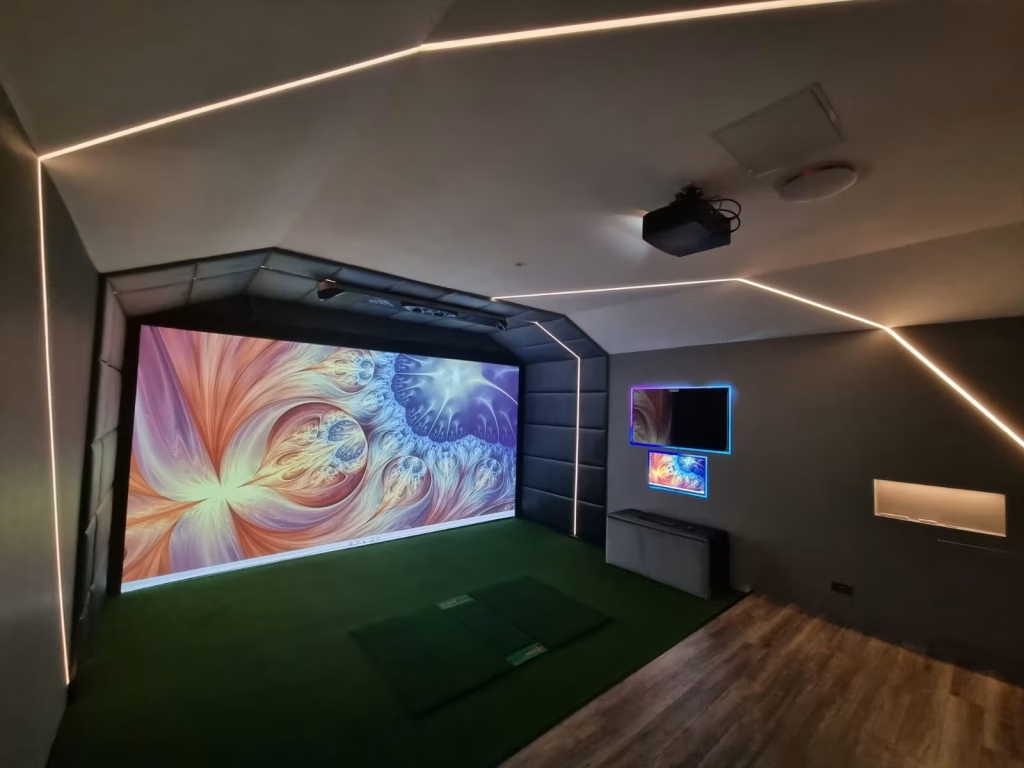
Space and Dimensions
This is where the two options diverge most sharply, and it is worth being direct about it.
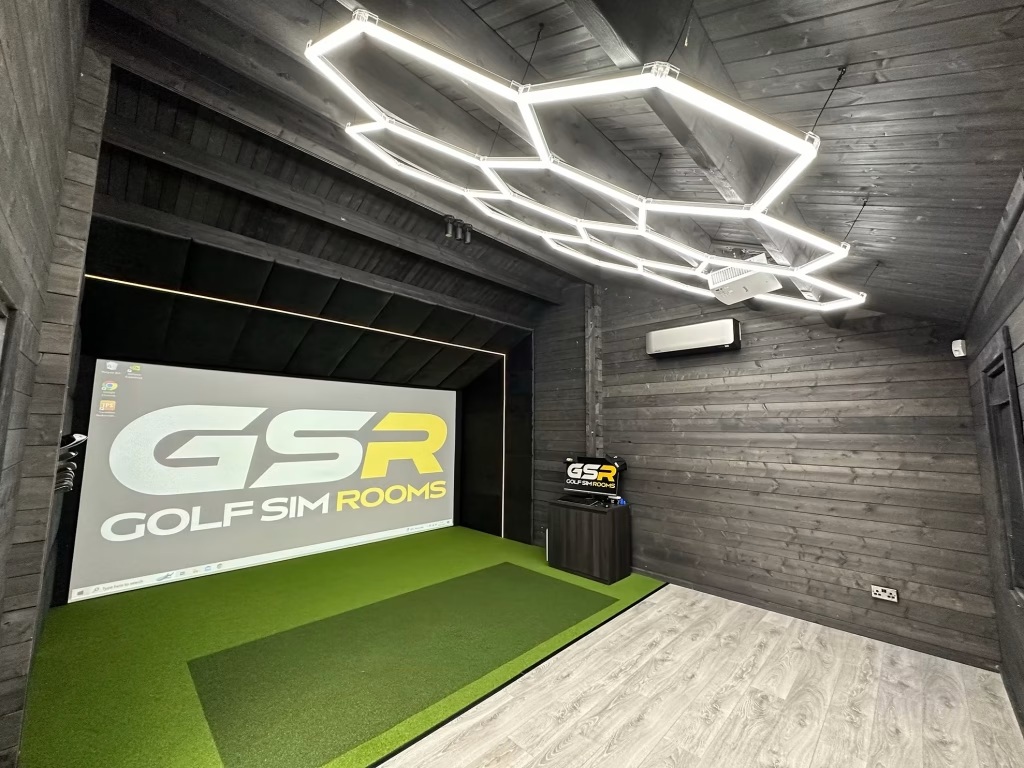
A purpose-built log cabin for a golf simulator is designed around the correct dimensions from the start. Ceiling height, room depth, and width are all specified to suit a full swing. You are not compromising on any of those three measurements because the structure is built to accommodate them.
A garage conversion works with whatever the garage already offers. For a double garage, that is often enough. Width is usually fine, depth is workable, and the main question is ceiling height. Standard UK double garages sit at around 2.4 to 2.7 metres of internal height, which is on the lower end of what you need for a comfortable driver swing. Some garages have more headroom, particularly older builds or those with a pitched roof, but you need to measure before you assume.
Single garages are a harder starting point. The width is typically too narrow for a comfortable full swing, and the depth rarely gives you the room you need behind the ball for a proper hitting position. Single garage setups tend to work for shorter clubs and partial swings rather than full simulator use.
If the space in your garage is borderline on any of those measurements, a log cabin removes that problem entirely.
Cost – What You Are Actually Paying For
Cost is where most people start the comparison, and it is worth understanding what each option actually involves financially.
A garage conversion is generally the more affordable route because the shell of the space already exists. You are paying for the fit out the screen, the frame, acoustic treatment, lighting, heating, flooring, and the simulator equipment itself. Depending on the spec of the equipment, a well-executed garage fit out can be done for significantly less than a new build.
A log cabin involves the cost of the structure on top of everything inside it. The build cost for a log cabin of the right dimensions, properly insulated and finished, is a meaningful additional investment. However, what you get is a structure that is built correctly from day one, adds to the usable footprint of your property, and does not require you to give up a garage.
The comparison is not always as straightforward as it looks. If your garage needs significant work before it is usable as a simulator room damp treatment, a new floor, insulation, electrical work the cost gap narrows considerably. Some garage conversions that look cheap at first glance end up costing more than expected once the preparatory work is factored in.
How Each Option Affects the Rest of the Property
This is a practical consideration that does not get enough attention in most comparisons.
A garage conversion means you no longer have a garage. For most UK households, that means losing storage space. In practice, the majority of UK garages are not used as garages anyway they tend to be full of tools, seasonal items, bikes, and boxes. Converting one to a golf simulator room often forces a clear-out that most people are glad they did. But if you genuinely use your garage for parking or storage, losing it is a real trade-off.
A log cabin sits in the garden and has no impact on the rest of the house. The simulator space is entirely separate, which also means no noise travelling through shared walls and no disruption to how the rest of the property is used. For families, this is often the deciding factor.
There is also the question of what happens if your circumstances change. A garage conversion is relatively easy to reverse if you ever need to. A log cabin is a permanent structure in the garden, which is something to consider when it comes to resale and future flexibility.
Planning Permission and Regulations
Neither option typically requires full planning permission, but both need checking before you commit.
A log cabin in the garden usually falls under permitted development as long as it meets certain size and placement criteria broadly, it needs to be under 2.5 metres high if within 2 metres of a boundary, and it cannot cover more than half of the garden area. Most standard log cabin builds for golf simulators will sit within these limits, but local authority rules vary and it is always worth confirming before you start.
A garage conversion is generally simpler from a planning perspective, particularly if you are not changing the external appearance of the structure. If you are planning to replace a garage door with a wall, or make other external changes, that is worth checking with your local authority.
Building regulations can apply to both, particularly around insulation and electrics. A reputable installer will handle this as part of the build, but it is worth asking the question upfront.
Insulation, Heating and Year-Round Usability
A golf simulator room that is only usable in summer is not much of an investment. This is a point worth taking seriously when comparing the two options.
Garages in UK homes are typically cold, poorly insulated spaces. Getting a garage to the point where it is genuinely comfortable to use through a British winter requires proper insulation in the walls, ceiling, and floor, as well as a reliable heat source. This is all achievable, but it adds to the cost and effort of the conversion.
A log cabin built with quality insulation as a specification from the start is easier to get right. The structure is designed to be a habitable, usable space rather than a storage area, so the insulation tends to be more consistent throughout.
In both cases, heating is essential. A wall-mounted electric heater or a small infrared panel works well for either option. The difference is that a well-insulated log cabin holds heat more efficiently than a poorly insulated garage, which affects running costs over time.
Which One Produces a Better Playing Experience?
This is the question most people actually want answered, and the honest answer is that a well-executed version of either option produces a great playing experience.
What tends to separate them in practice is not which type of room it is, but how well the space was planned and fitted. A log cabin that was built to the right dimensions, properly insulated, and fitted with quality equipment will always feel better to play in than a garage conversion that was rushed, has marginal ceiling height, and poor lighting.
The advantage of a log cabin is that it is easier to get the fundamentals right from the start because you are specifying them rather than working around existing constraints. The advantage of a garage conversion is that it can deliver an excellent result at a lower total cost if the garage dimensions work in your favour.
Conclusion
The log cabins vs garage golf simulators debate does not have a universal answer. If your garage has the right dimensions and is in reasonable condition, a fit out is likely the most practical and cost-effective route. If you want a dedicated space that does not compromise on dimensions, does not affect the rest of the house, and is built specifically for the purpose, a log cabin is worth the additional investment.
At GSR we do both the design and install. If you want an honest assessment of which option makes more sense for your property and your budget, get in touch with us today through our contact page. Alternatively, you can also give us a call on 01276 536406.